Do you manage a business?
Questions people often ask
What are the benefits of prenatal massage?
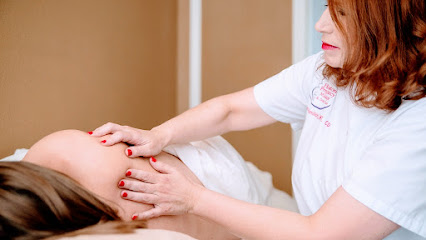
Prenatal massage can help alleviate aches and pains commonly associated with pregnancy, such as back pain, swelling, and sciatic nerve pain. It can also help improve sleep, reduce stress and anxiety, and promote overall relaxation. Additionally, prenatal massage can help encourage better circulation and lymphatic flow, aiding in the reduction of swelling and enhancing the immune system. During a prenatal massage, the therapist will use techniques that are safe and gentle for pregnant women. They will also ensure that you are comfortable and supported with the use of bolsters and pillows. It's important to communicate with your therapist about any discomfort or concerns you may have during the massage. Overall, prenatal massage can provide expecting mothers with a much-needed break from the physical and emotional demands of pregnancy, allowing them to relax, rejuvenate, and connect with their changing bodies and growing babies.
When is the best time to get a prenatal massage?
The best time to get a prenatal massage is during the second trimester, when most of the discomforts of early pregnancy have passed, and before the added weight of the baby puts extra strain on the body. However, some expecting mothers may benefit from prenatal massage throughout their entire pregnancy, especially if they are experiencing ongoing issues like back pain or swelling. It's important to consult with your healthcare provider before scheduling a prenatal massage, especially if you have any high-risk conditions or complications. Your therapist will also need to be informed of your stage of pregnancy to ensure that they can provide the best care and support during the massage. Ultimately, the best time to get a prenatal massage is when you feel the most comfortable and relaxed, and when your therapist can tailor the treatment to meet your specific needs and concerns.
Are prenatal massages safe during pregnancy?
Prenatal massages are generally safe during pregnancy when performed by a trained and experienced therapist who specializes in prenatal care. It's important to seek out a therapist who is knowledgeable about the unique needs and considerations of pregnant women, and who can provide a safe and comfortable environment for the massage. During a prenatal massage, the therapist will use techniques that are gentle and suitable for pregnant bodies, avoiding areas that may be sensitive or at risk of causing harm. They will also use positioning and support with bolsters and pillows to ensure that you are comfortable and relaxed throughout the session. However, it's always a good idea to consult with your healthcare provider before scheduling a prenatal massage, especially if you have any high-risk conditions or complications. Your provider can advise you on whether prenatal massage is safe for you and can provide any necessary guidance or restrictions.
How long is a typical prenatal massage session?
A typical prenatal massage session usually lasts around 60 to 90 minutes, although some therapists may offer shorter or longer sessions based on individual needs and preferences. During the session, the therapist will focus on addressing your specific concerns and areas of discomfort, such as back pain, swelling, or tension. The length of the session can also depend on your stage of pregnancy and comfort level. Some expecting mothers may prefer shorter sessions, especially in the later stages of pregnancy when lying on the massage table for an extended period can become uncomfortable. Your therapist can work with you to create a session length that works best for you. It's important to communicate with your therapist about any time constraints or concerns you may have regarding the duration of the massage session. They will be able to adjust the session length and focus areas to ensure that you receive the most beneficial and enjoyable experience.
 #1